Quick! Decide!
Numbers / statistics / facts: They have a bearing on many important decisions!
Often decisions depend on making a comparison of two or more numerical quantities.
Quick! Decide!
You've been transported through time!!
It's 8:30 PM on Thursday in Goshen (that's 7:30 PM in Chicago).
A musician you've been liking is playing a concert live in Chicago this very evening in half an hour:

Can you make it in time?!?!
Sometimes you can rely on your personal experience to make a comparison, without any calculations.
- If you've actually gone to Chicago...
- If you've only gone as far as South Bend, and know that Chicago is further still...
Quick! Decide!
In what follows, you'll see a bar chart from Peter Kalmus' book depicting the "radiative forcing" estimates for a variety of human actions and natural processes which contribute to global warming.
Quick! Decide! Which of these factors has the greatest impact on global warming or "climate change"

IPCC, AR5, via realclimate.org
Our human visual systems can quickly compare length or area without the need to measure, or compute an area.
From this graph, you should be able to answer questions like these without doing any calculations:
- Some people have proposed that variations in "irradiance", the amount of light received from our sun, might explain global warming all on its own. Can you see any factors on this chart which make a bigger difference than irradiance?
- Do variations in solar irradiance seem like they could explain most of the the warming of Earth's climate?
- Which gas in the atmosphere has the biggest impact on global temperature?
- Which kinds of mineral dust in the air increase Earth's temperature? reduce Earth's temperature?
Quick! Decide!
Making comparisons: solar energy
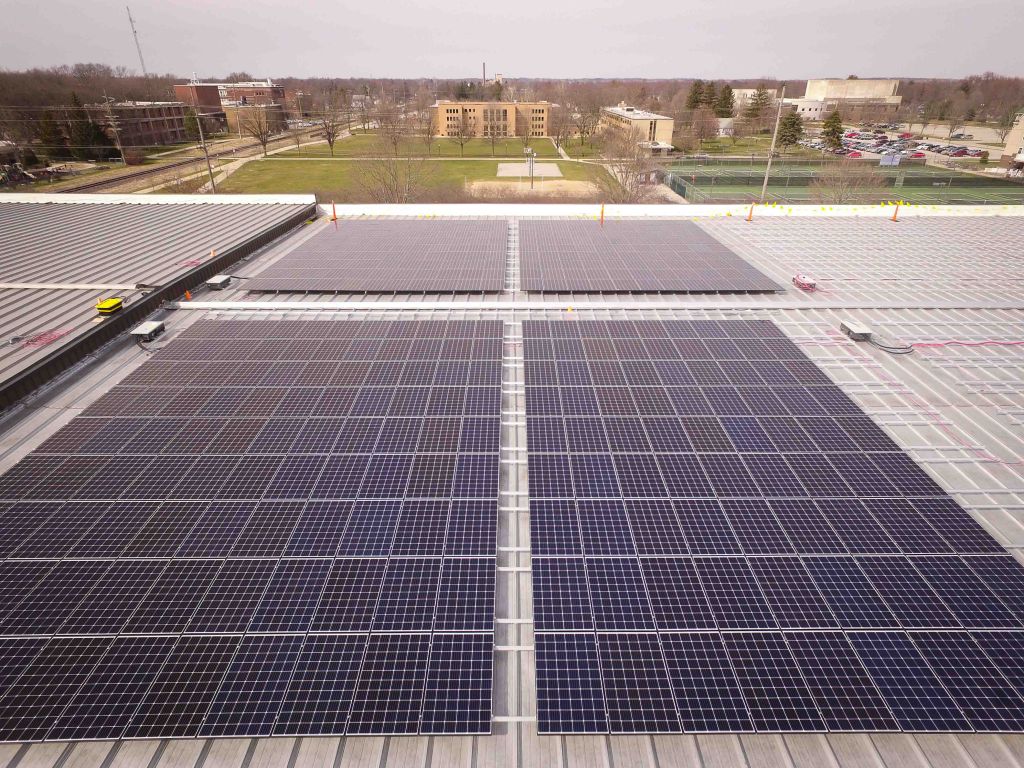
Which countries produce the most renewable energy (RE)? Or produce a lot of solar energy?
References
- List of countries by renewable energy production
Which is the highest number? Which is the lowest?
Hopefully you noticed that to make these comparisons, you often don't need to even read the digits, you just need to know which number has *more* (or *fewer*) digits.
Making comparisons
To make decisions, or to evaluate the importance of different factors, we need to make a comparison. We rarely need the exact numbers, just knowing the approximate ratio of two numbers is often enough.
We can estimate:
- Based on personal experience
- Based on a visual comparison (infographic)
- Based on the physical size of the number or...
where the decimal point is or...
the order of magnitude (power of 10 or exponent) of a number